
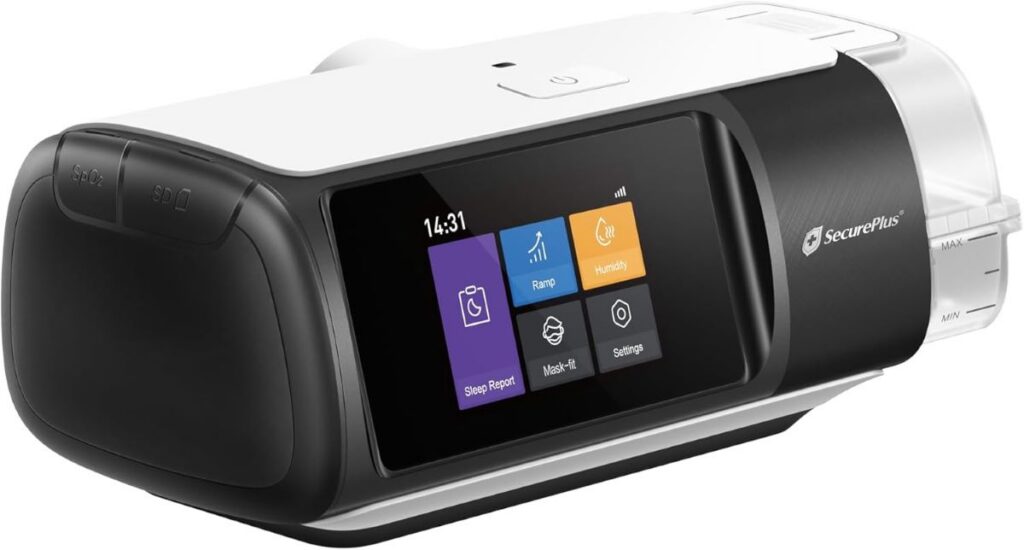
This guide breaks down the practical differences so they can choose equipment that matches the prescription, the patient’s needs, and the environment it will be used in.
What does “oxygen machine” actually mean in each setting?
At home, it usually means an oxygen concentrator that pulls oxygen from room air and delivers it through a nasal cannula. In hospitals, “oxygen” often means a wall supply or bulk system feeding multiple rooms, sometimes paired with high-flow devices, masks, and ventilators. Many people managing sleep-related breathing conditions also explore advanced respiratory support equipment for better comfort and therapy results. You can find more about professional CPAP machines from leading brands through trusted Australian providers here.
So the biggest difference is not just the machine. It’s the full oxygen delivery setup and the clinical workflow around it.
How do oxygen concentrators used at home differ from hospital systems?
Home concentrators are built for steady, long-duration use at prescribed low-to-moderate flow rates, commonly for chronic conditions. They’re meant to be simple, quiet enough for living spaces, and manageable without clinical staff on-site.
Hospitals typically rely on centralized oxygen (liquid oxygen tanks or bulk sources) with regulated outlets. This supports many patients and higher demand devices, and it is backed by facility-grade redundancy, alarms, and maintenance protocols.
Are flow rate and oxygen output the main differences?
They’re a major difference, but not the only one. Many home units provide continuous flow in a limited range, and some portable models provide pulse-dose oxygen rather than continuous flow. That can be fine for ambulatory use, but it may not meet every prescription.
Hospitals can deliver a wide range of flows, from low-flow nasal cannula to high-flow nasal cannula systems that deliver much higher liters per minute with humidification. They can also blend oxygen with air precisely and support more complex respiratory support plans.
What about oxygen purity and consistency?
Both home and hospital oxygen sources can meet medical oxygen standards when properly maintained, but hospitals are designed for tighter oversight and rapid intervention if something goes wrong. Home concentrators typically produce oxygen in a high-purity range under normal conditions, but performance can vary with maintenance, filter condition, altitude, heat, and device wear.
In hospitals, centralized supply is monitored and regulated as part of facility infrastructure, with routine checks and clinical staff noticing issues quickly during rounds.
How do safety requirements differ at home versus in a hospital?
Home oxygen safety depends heavily on behavior and the environment. Fire risk is the biggest concern, especially around smoking, open flames, gas stoves, candles, and poorly managed tubing. They also need practical safeguards like stable placement, good airflow around the unit, and correct electrical use.
Hospitals control ignition sources more strictly, train staff continuously, and use facility-grade policies for storage, transport, and infection control. Their systems are designed assuming higher patient turnover and higher clinical risk.
Which setting has more monitoring and alarms?
Hospitals do, by far. Hospital oxygen delivery is usually paired with routine vital sign checks, pulse oximetry, nursing observation, and escalation pathways if oxygen needs rise.
Home units may have basic device alarms for power failure, low purity, or overheating, but they are not a substitute for clinical monitoring. If they’re using oxygen at home, they typically need a separate pulse oximeter only if the clinician recommends it, and they should follow the action plan given by the prescriber. Click here to discover the top portable oxygen concentrator models available in Australia and how they compare.
How do noise, size, and portability compare?
Home concentrators are designed to live in bedrooms and living rooms, so noise and footprint matter. Stationary home units can still be bulky, but they’re usually on wheels and sized for indoor use. Portable concentrators prioritize weight and battery life, often using pulse-dose delivery.
Hospitals use a mix: wall oxygen outlets, rolling cylinders, transport setups, and specialized carts for high-flow devices. Portability exists, but comfort and aesthetics are not the priority. Clinical capability and reliability are.
Does humidification and comfort work differently in hospitals?
Yes. Home oxygen is often delivered dry, which can cause nasal dryness over time, especially at higher flows. Some home setups use a bubble humidifier bottle if prescribed, but it depends on the flow rate, device compatibility, and clinician preference.
Hospitals more commonly use humidification when clinically indicated, especially for higher flows or high-flow nasal cannula systems. They also have staff to adjust interfaces, manage skin breakdown, and switch devices if irritation occurs.
Are maintenance and servicing expectations different?
Home oxygen equipment depends on scheduled servicing by a supplier or durable medical equipment provider, plus basic user care like cleaning or replacing filters as instructed. If the machine performance drops, they must notice it and report it.
Hospitals have biomedical engineering teams, preventative maintenance schedules, device logs, and rapid replacement pathways. If a unit fails, there is usually another one available immediately, and staff are trained to respond.
How do power backup and redundancy differ?
Home concentrators run on household electricity, so power loss is a real vulnerability. Many home users need a backup plan such as spare oxygen cylinders, a portable concentrator battery, or a local emergency plan, depending on their prescription and risk profile.
Hospitals have layered redundancy: generator power, stored oxygen reserves, multiple manifolds, and emergency response procedures. That infrastructure is a key part of why hospitals can support unstable patients safely.
Which option is “better” for recovery or long-term use?
Neither is universally “better.” Home oxygen is appropriate when they are stable enough to be managed outside a facility and the prescription matches what home equipment can deliver. It supports long-term therapy and quality of life when used correctly.
Hospital oxygen is appropriate when they need close monitoring, rapid changes in therapy, higher flows, more complex interfaces, or treatment of acute illness. The setting is as important as the device. Learn more about guidelines to describe indications and patient management for the use of oxygen therapy and its modes of delivery.
What should they check before choosing a home oxygen machine?
They should match the machine to the prescription and the lifestyle, not the other way around. The key checks are:
- Prescribed flow and mode: continuous flow versus pulse-dose, and the required liters per minute.
- Hours of use: night-only, exertion-only, or continuous therapy.
- Power and backup plan: what happens during outages or travel.
- Noise and placement: whether it fits the home safely with good ventilation.
- Service support: who maintains it, how quickly replacements arrive, and what training is provided.
- Interfaces and comfort: cannula fit, tubing length, and whether humidification is recommended.
Most importantly, they should not change flow settings without clinician guidance. If oxygen needs increase, it can signal worsening disease that requires medical review.
What’s the simplest way to think about the difference?
Home oxygen machines are built for stable, everyday support with limited supervision. Hospital oxygen systems are built for high-risk, rapidly changing clinical situations with constant oversight.
If they choose based on prescription, safety planning, and support, the right setup becomes much clearer.