
Introduction
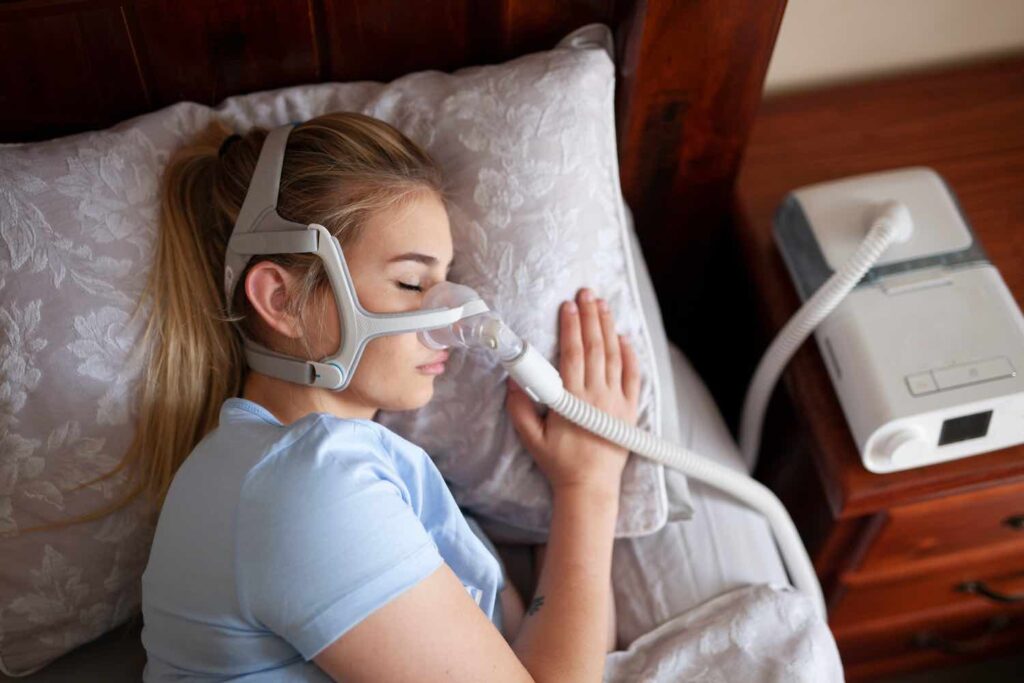
Sleep is crucial for a child’s growth, development, and overall wellbeing. Yet, many children experience sleep issues that go unnoticed, such as sleep apnoea, restless leg syndrome, or insomnia. Sleep tests, also known as sleep studies, help identify these problems, allowing parents and doctors to take targeted action. Understanding what to expect and how to prepare can make the process smoother and less stressful for both children and families.
What is a Sleep Test for Children?
A sleep test monitors a child’s body while they sleep to detect potential disorders. Common measurements include:
- Brain activity (EEG) to track sleep stages
- Eye movement to identify REM sleep
- Heart rate and breathing patterns
- Oxygen saturation levels
- Muscle activity and limb movements
These readings help specialists diagnose conditions such as obstructive sleep apnoea, narcolepsy, insomnia, and periodic limb movement disorder. Accurate diagnosis ensures appropriate treatment and better sleep for your child.
Preparing Your Child for a Sleep Study
Preparation can reduce anxiety and help your child sleep more naturally:
- Explain the process in simple, reassuring terms
- Maintain a regular bedtime routine leading up to the study
- Avoid caffeine, sugary drinks, or stimulants on the day
- Pack comfort items, like a favourite blanket or soft toy
- Wear loose, comfortable pyjamas
Parents should also follow any specific instructions provided by the sleep clinic regarding medications or bedtime routines.
In-Lab vs Home Sleep Studies for Children
In-Lab Polysomnography (PSG)
- Conducted overnight in a child-friendly clinic
- Monitors brain, heart, breathing, oxygen, and muscle activity
- Supervised by trained paediatric technicians
- Recommended for complex or unclear sleep disorders
Home Sleep Tests
- Conducted in the child’s own bed for comfort
- Focuses on breathing, oxygen, and heart rate
- Simple setup with remote guidance
- Suitable for suspected sleep apnoea or routine monitoring
The choice depends on the child’s age, comfort level, and the nature of their symptoms.
What to Expect During the Night
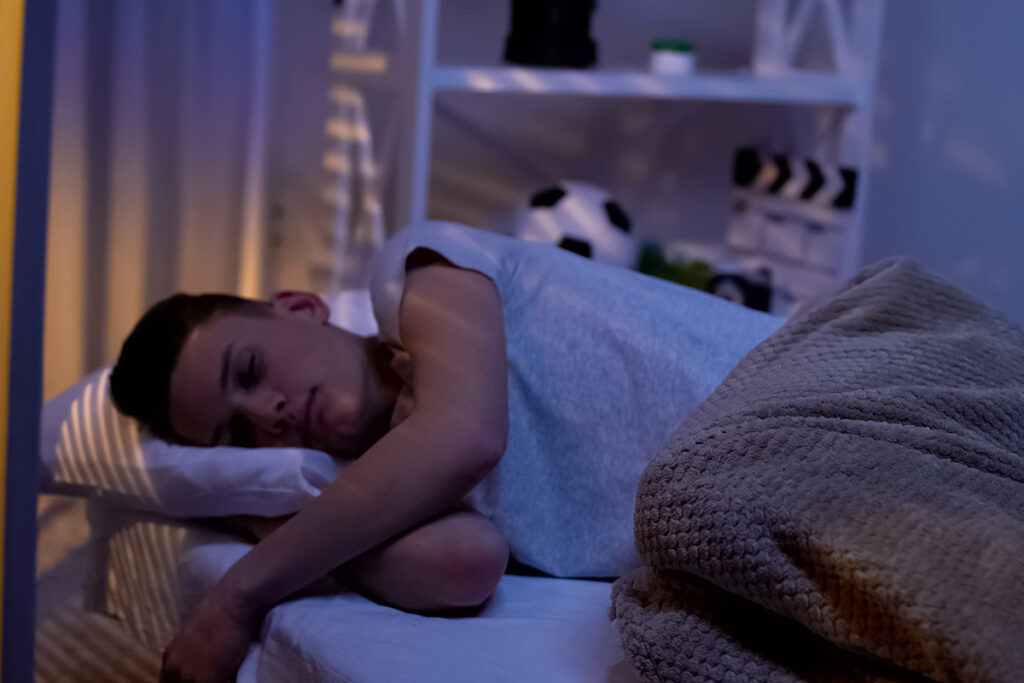
- Attachment of sensors and electrodes: Painless and placed on the head, chest, and limbs
- Breathing and oxygen monitoring: Through a nasal cannula and fingertip sensor
- Observation and support: Technicians ensure the child is comfortable and asleep
- Natural sleep environment: Home studies allow more familiar surroundings for better rest
Parents are encouraged to stay calm and reassuring, which helps children feel secure during the study.
Understanding Sleep Test Results for Children
Key metrics include:
- Apnoea-Hypopnoea Index (AHI): Number of breathing interruptions per hour
- Oxygen desaturation: Identifies drops in blood oxygen during sleep
- Sleep stages: REM and NREM sleep patterns indicate rest quality
- Heart rate and rhythm: Helps detect cardiovascular or respiratory issues
- Limb movements: Frequent movements may indicate restless leg syndrome
These numbers guide specialists in diagnosing disorders and recommending personalised treatment plans.
Benefits and Potential Discomforts
Benefits
- Accurate identification of sleep disorders
- Improved sleep quality and daytime behaviour
- Enhanced growth, development, and energy levels
- Prevention of long-term health complications
Potential Discomforts
- Mild skin irritation from electrodes
- Slight nasal or facial discomfort from breathing sensors
- Initial sleep disruption due to unfamiliar monitoring equipment
Modern technology makes sleep studies less intrusive and more child-friendly compared to older methods.
Parent and Child Experiences
- “My son was nervous at first, but the friendly technicians made him feel at ease, and we got important insights into his sleep.”
- “The home study was convenient, and the results helped our doctor treat his sleep apnoea effectively.”
- “Understanding the numbers gave us peace of mind and a clear path to better sleep for our child.”
Real experiences show that a supportive environment and proper preparation help children have a successful study.
Conclusion
Sleep tests for children are an essential tool for diagnosing sleep disorders and ensuring healthy growth and development. By understanding the process, preparing adequately, and interpreting results with the guidance of specialists, parents can help their children achieve better sleep, improved daytime behaviour, and overall health. Modern sleep testing is comfortable, effective, and child-friendly, providing valuable insights for families.
FAQs
1. When should my child have a sleep test?
Children may need a sleep test if they snore, have breathing pauses, show daytime sleepiness, or exhibit behavioural changes. Sleep specialists can determine the timing and type of study based on symptoms.
2. Are home sleep tests suitable for young children?
Yes, modern home sleep tests are designed for comfort and simplicity. They are ideal for children with mild symptoms or for routine monitoring, while complex cases may still require in-lab studies.
3. What can we expect during the night of the study?
Sensors and electrodes monitor brain waves, breathing, heart rate, oxygen, and limb movements. Technicians ensure comfort, and familiar items like blankets or toys help children sleep naturally.
4. How are sleep test results interpreted for children?
Results measure sleep stages, oxygen levels, AHI, heart rate, and limb movements. Specialists use these numbers to diagnose disorders, recommend treatments, and guide interventions for better sleep and daytime behaviour.
5. Will the study be uncomfortable for my child?
Most children experience minimal discomfort. Modern equipment is lightweight and child-friendly, and technicians provide guidance and reassurance to ensure a smooth, restful experience.