

Sleep apnea is a serious sleep disorder that affects breathing during sleep and can lead to fatigue, heart problems, and reduced quality of life if left untreated. Many people in Melbourne experience symptoms such as loud snoring, morning headaches, daytime sleepiness, or waking up gasping for air without realizing the underlying cause. Proper preparation before a diagnostic test plays a key role in ensuring accurate results and effective treatment planning.
A Sleep Apnea Test Melbourne clinics recommend is designed to monitor breathing patterns, oxygen levels, heart rate, and sleep stages to determine whether obstructive or central sleep apnea is present. Knowing what to expect and how to prepare beforehand can help patients feel more comfortable and ensure the test accurately reflects their normal sleeping habits.
Understanding Why Preparation Matters
Sleep studies are most effective when they capture a realistic picture of your regular sleep behavior. Poor preparation — such as lack of sleep, alcohol intake, or inconsistent routines — can interfere with readings and potentially affect the diagnosis. Melbourne sleep clinics emphasize preparation to reduce testing errors and help specialists create a tailored treatment plan.
Whether the test is conducted in a clinic or at home, following preparation guidelines can also help minimize stress and discomfort during the study.
Types of Sleep Apnea Tests Available in Melbourne
Melbourne clinics typically offer two main types of sleep apnea tests:
In-clinic polysomnography:
This comprehensive overnight test takes place in a sleep laboratory under medical supervision. It measures brain activity, muscle movement, breathing patterns, and oxygen levels.
Home sleep apnea testing:
For patients with moderate risk factors, home-based testing offers a convenient and cost-effective alternative. Portable devices track breathing, airflow, and oxygen saturation while you sleep in your own bed.
Your doctor or sleep specialist will recommend the most appropriate option based on your symptoms and medical history.
Other Resources : The uses of overnight pulse oximetry
How to Prepare Before Your Sleep Apnea Test
To ensure accurate results, Melbourne clinics commonly recommend the following preparation steps:
- Maintain your normal sleep routine for several days before the test
- Avoid caffeine after midday on the day of the test
- Do not consume alcohol or sedatives unless advised by your doctor
- Shower and avoid using hair products, lotions, or oils
- Wear comfortable, loose-fitting sleepwear
- Bring essential personal items if attending an overnight clinic study
If you’re using a home test device, follow the setup instructions carefully to ensure all sensors are properly attached.
What to Expect on the Night of the Test
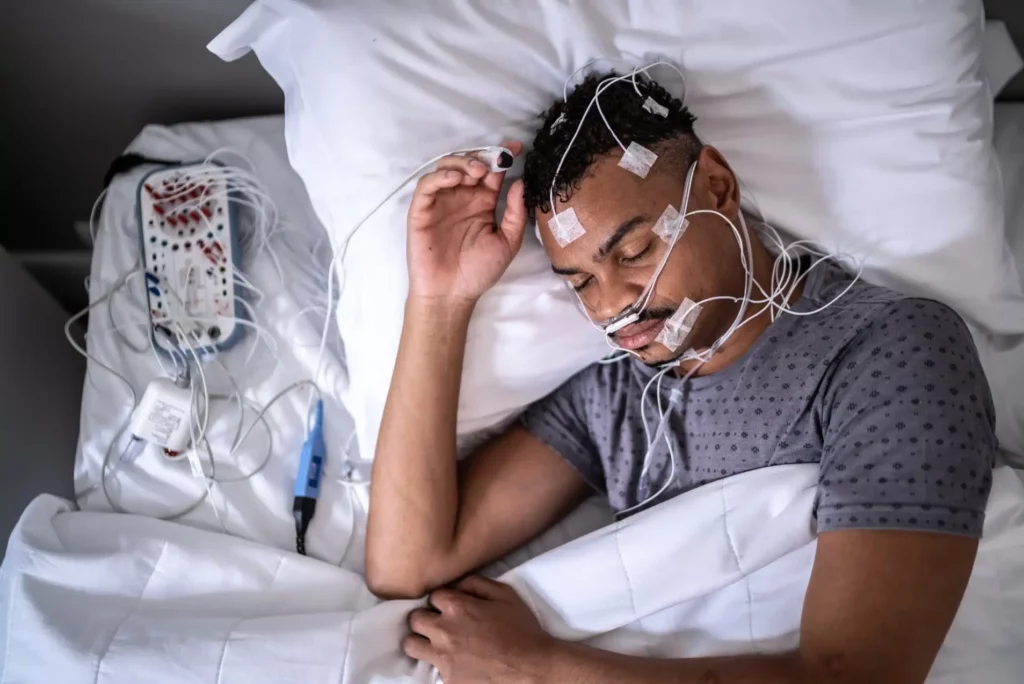
During the test, sensors will be placed to monitor your breathing, oxygen levels, and body movements. While this may feel unusual at first, most people adapt quickly and are still able to sleep. The goal is to capture a typical night’s sleep rather than perfect rest, so minor awakenings are not a concern.
For home tests, you’ll receive instructions on how to wear the device and return it the next day for analysis.
See Also : Home Sleep Study Perth: What Affects Test Quality and How to Pick the Best At-Home Service
After the Test: Next Steps Toward Treatment
Once your sleep data is reviewed, a sleep specialist will explain the results and discuss treatment options if sleep apnea is diagnosed. These may include CPAP therapy, oral appliances, lifestyle changes, or further specialist care.
Early diagnosis and treatment can greatly improve sleep quality, energy levels, and overall health, making the preparation and testing process well worth the effort
Final Thoughts
Preparing correctly for a sleep apnea test is essential for obtaining reliable results and an accurate diagnosis. By following clinic guidelines and understanding what to expect, patients in Melbourne can approach their sleep study with confidence and peace of mind. Early detection leads to better management and long-term health outcomes.